

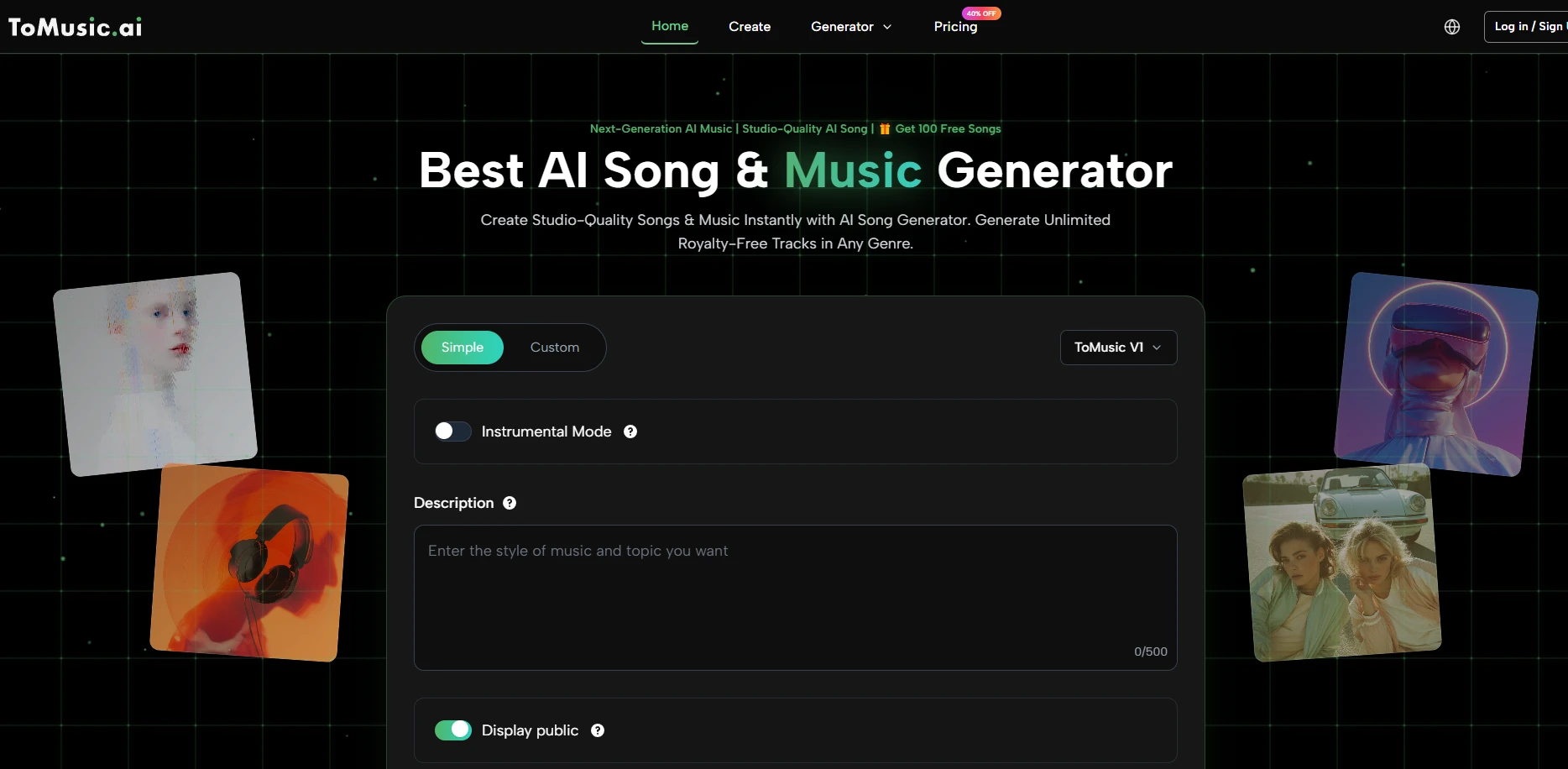
The historical barrier to entry for professional music production has always been defined by the sheer complexity of technical mastery and the exorbitant cost of physical studio environments. Many independent creators, from filmmakers to podcast producers, find themselves paralyzed when their creative vision requires a specific acoustic signature that they lack the formal training to compose. Utilizing an AI Music Generator effectively dismantles these gatekeepers by providing a direct pipeline from conceptual thought to high resolution audio files. This shift does not merely automate a task; it fundamentally democratizes the ability to express complex human emotions through sound. In my observations of the current digital media landscape, the transition from static stock libraries to dynamic, generative audio represents a significant leap in how stories are told and experienced across global platforms.
The Evolution Of Synthetic Harmonies Within The Digital Content Landscape
The trajectory of audio synthesis has moved from primitive electronic beeps to sophisticated neural networks capable of mimicking the nuance of a live orchestra. In the past, synthetic music was often criticized for its lack of soul or its repetitive nature, but modern advancements have introduced a level of variance that was previously unthinkable. These systems now analyze millions of data points to understand the relationship between lyrics, rhythm, and melody. By observing how different genres interact with linguistic inputs, these engines can produce tracks that feel intentionally composed rather than randomly assembled. My testing indicates that the most significant advantage of this technology is its ability to maintain structural integrity across longer durations, which has traditionally been a point of failure for earlier algorithmic models.
Understanding The Multi Model Architecture Of Modern Generative Sound Systems
At the core of professional grade audio generation is a tiered model system that allows for different levels of complexity and fidelity. Most standard platforms rely on a single, aging algorithm, but the move toward a multi-model approach ensures that users can select the specific engine that fits their project needs. For instance, while one model might excel at creating upbeat pop melodies, another is optimized for the atmospheric textures required for cinematic scores. This versatility is essential for creators who need to pivot between diverse projects without losing acoustic quality. In my experience, the newer versions of these models have significantly improved the clarity of the mid-range frequencies, which is where most human vocals and lead instruments reside.
Achieving Professional Vocal Inflection With Advanced Linguistic Processing Algorithms
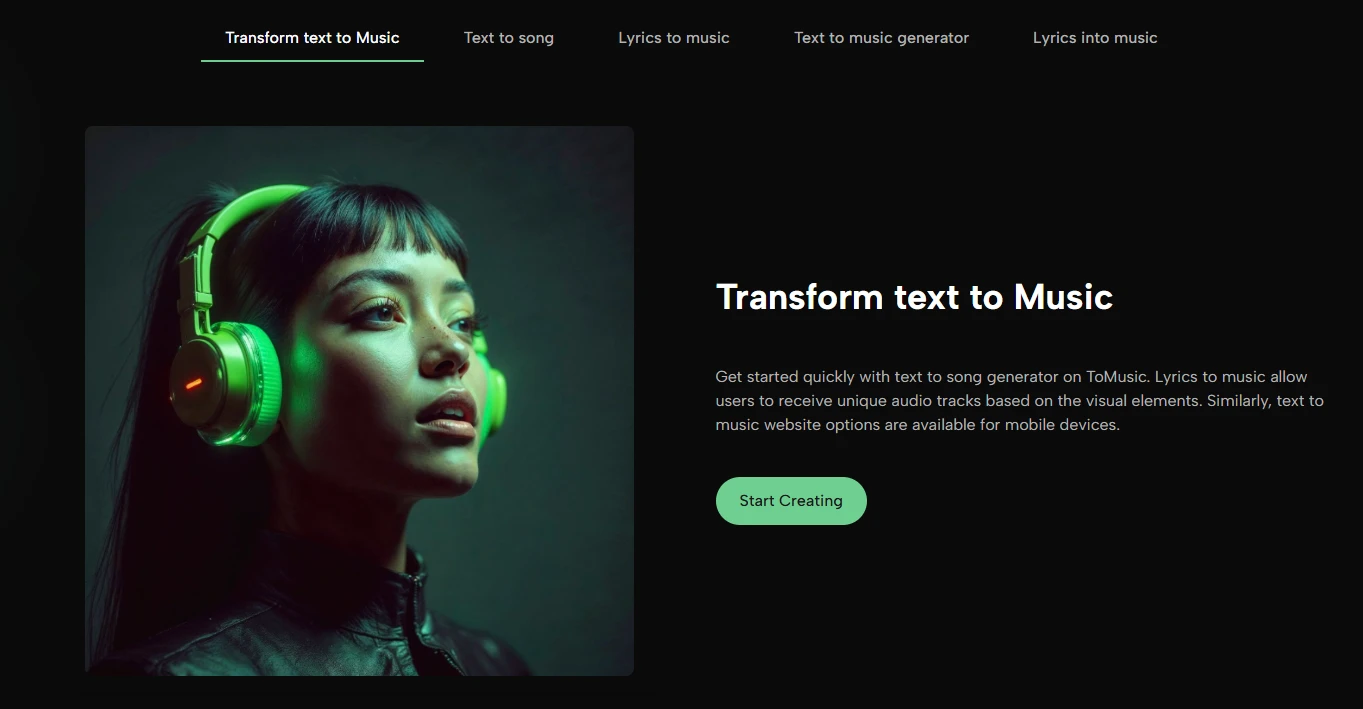
Perhaps the most difficult hurdle in audio synthesis has been the convincing recreation of the human voice. Modern systems utilize deep learning to understand not just the words being sung, but the emotional weight behind them. This involves complex processing of phonemes and the subtle transitions between notes that give a performance its "human" quality. By analyzing the prosody of natural speech, these engines can apply realistic vibrato and breath control to the generated vocals. While the technology is nearing a point of indistinguishable realism, it remains crucial for the user to provide clear, well-structured lyrics to guide the AI toward the desired emotional outcome.
|
Technical Performance Feature |
Standard Generation Engine |
Advanced Neural Synthesis V4 |
|
Maximum Audio Output Resolution |
128kbps Standard MP3 |
Professional Lossless WAV Format |
|
Vocal Realism And Nuance |
Basic Harmonic Tones |
Deep Learning Emotive Performance |
|
Concurrent Task Processing |
Single Track Queue |
Multiple Simultaneous Generations |
|
Licensing And Usage Rights |
Personal Attribution Only |
Full Commercial Rights Included |
|
Maximum Song Duration Limit |
Four Minute Threshold |
Extended Eight Minute Compositions |
|
Track Separation Capabilities |
Merged Audio Only |
Individual Vocal And Stem Extraction |
Transforming Narrative Scripts Into Full Orchestral Compositions Using Modern Tools
The process of translating a written narrative into a musical score has traditionally required a shared language between a director and a composer. However, the rise of Text to Music technology has created a new interface where the written word acts as the conductor. By inputting descriptive phrases regarding mood, instrumentation, and tempo, users can influence the direction of the score in real time. This allows for an iterative creative process where the audio evolves alongside the visual or written content. Based on my analysis of current workflows, this capability is particularly transformative for solo creators who must act as their own music supervisors. The ability to "describe" a sound and have it manifest as a studio quality track is a paradigm shift in creative agency.
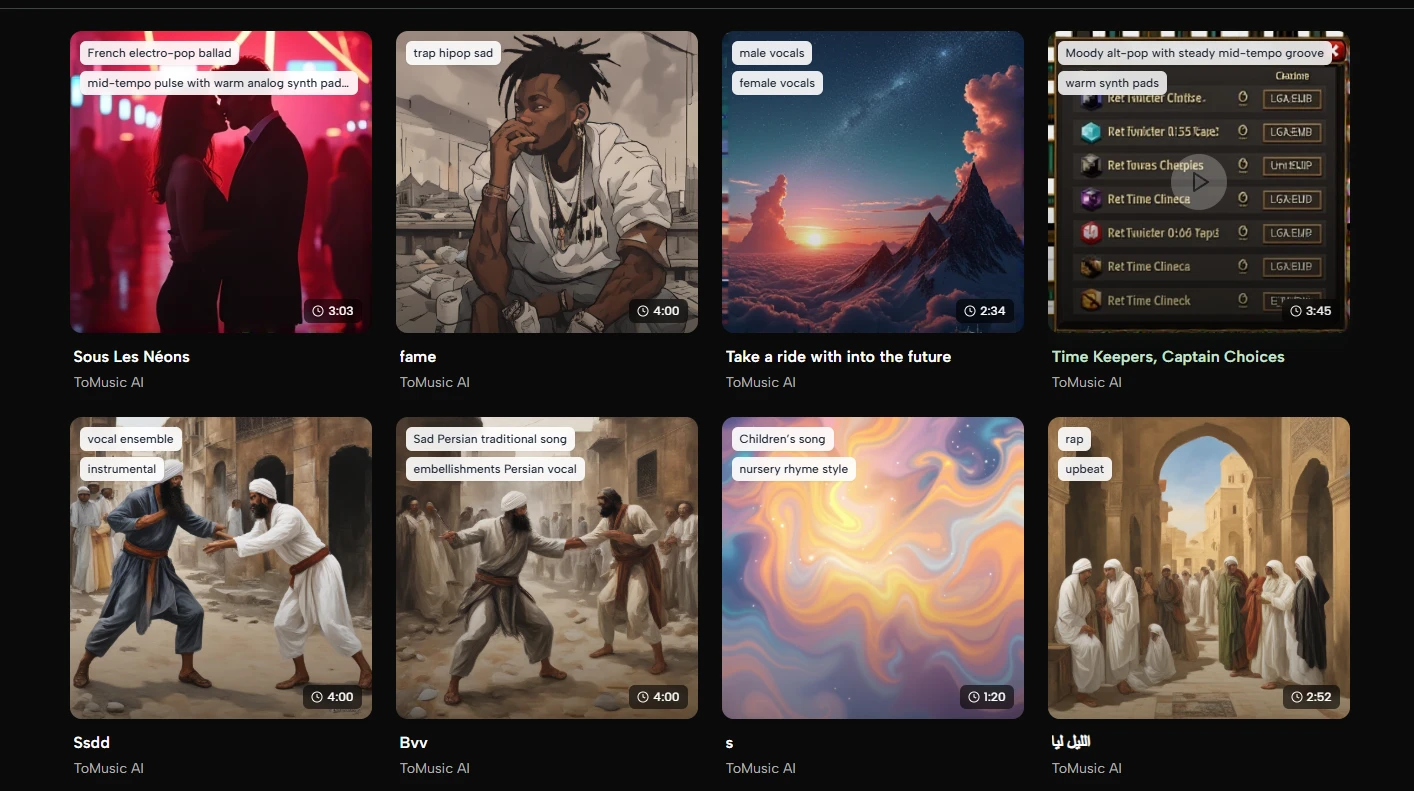
A Detailed Guide To Navigating The Official Song Creation Interface
-
Input the primary text or lyrics into the provided generation field, ensuring the description includes specific mood and style keywords.
-
Select the preferred AI model version and configure the technical parameters such as song duration and whether vocals are required.
-
Execute the generation process and review the resulting track before downloading the file in the desired high resolution format.
Overcoming Prompt Dependency And Ensuring Consistency In Long Format Audio
Despite the power of these tools, it is important to recognize that the output is only as good as the instructions provided. Prompt engineering is becoming a vital skill in the audio production space, as subtle changes in wording can lead to drastically different musical results. For example, specifying "melancholic cello" versus "sad string section" will trigger different neural pathways within the synthesis engine. Furthermore, generating long-format audio requires a clear understanding of song structure, including verses, choruses, and bridges. Users should be prepared to refine their prompts multiple times to achieve the perfect balance of elements. In my testing, the most successful creators are those


