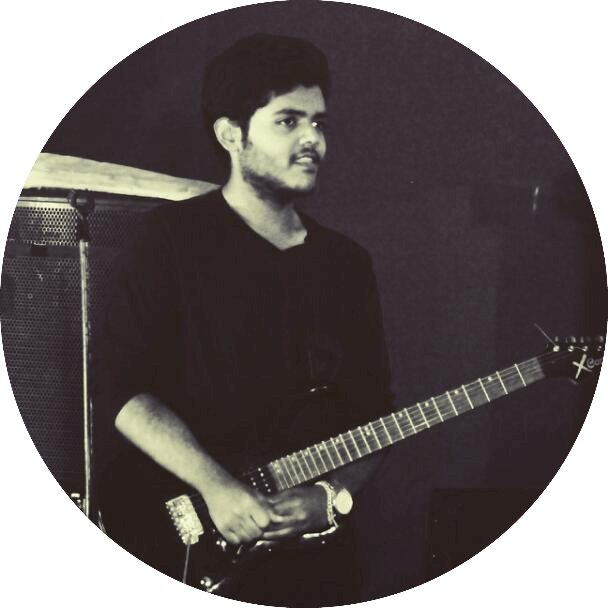
For years, I believed a quiet lie that most guitarists never question:
“If my playing isn’t improving, I probably need better gear.”
So I upgraded pickups.
Then pedals.
Then amps.
Then strings, cables, interfaces, straps, slides, capos, tuners, plugins, IR packs, boutique overdrives, vintage-voiced everything.
My tone collection grew.
My playing… didn’t.
Then something strange happened. Not intentionally. Not philosophically. Not as a productivity challenge.
I simply stopped buying guitar gear for six months.
No new guitars.
No pedals.
No “just one more” upgrade.
And my playing improved faster than it had in years.
This article isn’t anti-gear. Gear is fun. Gear is inspiring. Gear is part of the joy of being a guitarist.
But what I learned during those six months completely rewired how I practice, how I listen, and how I improve—and it might do the same for you.
The Hidden Cost of Constant Guitar Gear Buying (That No One Talks About)

Most discussions around gear addiction focus on money.
But money isn’t the real problem.
The real cost is attention.
Every new piece of gear quietly demands:
-
Learning time
-
Setup time
-
Comparison time
-
Tweaking time
-
Second-guessing time
All of that comes from the same limited mental budget you use to:
-
Hear your mistakes
-
Fix your timing
-
Develop touch
-
Control dynamics
-
Build muscle memory
Gear doesn’t just take your money—it takes your focus.
And focus is the currency of improvement.

The Gear Upgrade Myth: “This Will Fix My Guitar Playing”

Here’s the uncomfortable truth:
Most gear purchases are motivated by frustration, not inspiration.
You miss bends → Maybe hotter pickups
Your tone feels flat → Maybe a better amp
Your solos feel lifeless → Maybe a new pedal
Your rhythm sounds sloppy → Maybe compression
Gear becomes a distraction from the real work.
Because blaming equipment is emotionally easier than confronting technique.
When I stopped buying gear, something unsettling happened:
I ran out of excuses.
What Actually Changed When I Stopped Buying Guitar Gear

1. I Finally Learned My Existing Gear Properly
Before the break:
-
I owned pedals I had never fully explored
-
Amp EQ knobs stayed in “safe” positions
-
Guitar volume and tone knobs were ignored
During the gear freeze:
-
I learned how my guitar reacts at every volume level
-
I discovered usable tones by changing pick attack, not pedals
-
I learned how small EQ changes affect articulation
I stopped thinking in terms of “good tone” and started thinking in terms of control.
That alone improved my playing more than any pedal ever did.
2. My Hands Became the Tone Shapers
Here’s a hard fact most players don’t want to hear:
70% of your tone comes from your hands.
Pick angle
Pick depth
Attack strength
Where you strike the string
How long you let notes ring
When new gear stopped entering the picture, my brain finally noticed:
-
Sloppy fretting pressure
-
Uneven pick dynamics
-
Inconsistent muting
-
Rushed note attacks
Gear had been masking these issues.
Without new toys to hide behind, my hands had to improve.
And they did—fast.
3. I Practiced More Intentionally (Without Even Trying)
This was unexpected.
I didn’t decide to practice more.
I just stopped wasting time on:
-
Demo videos
-
Gear reviews
-
Tone shootouts
-
“Is this better than that?” debates
That freed up mental energy, not just time.
So practice became:
-
Shorter
-
More focused
-
More effective
Instead of noodling through five pedals, I worked on:
-
Clean transitions
-
Tempo control
-
Consistent vibrato
-
Smooth position shifts
Progress followed naturally.
The Psychological Trap of “Guitar Gear Dopamine”

Buying gear triggers a dopamine hit.
New gear feels like progress—even when nothing actually improves.
Your brain rewards:
-
Unboxing
-
First impressions
-
“Wow, this sounds amazing!”
But that dopamine fades quickly.
Then comes:
“Maybe I need something else.”
When I stopped buying gear, I went through mild withdrawal:
-
Less excitement
-
Less novelty
-
More boredom
And boredom is dangerous… because it forces growth.
Why Limitations Accelerate Guitar Progress

Limitations don’t kill creativity—they force it.
With fixed gear:
-
You stop chasing tone and start shaping it
-
You stop blaming equipment and start fixing technique
-
You learn to solve problems with skill, not shopping
Some of the greatest guitar tones ever recorded were created with:
-
Minimal pedals
-
Limited amp choices
-
Few guitars
Not because gear didn’t exist—but because players mastered what they had.
My Guitar Playing Improvements After 6 Months (Specific & Measurable)

This wasn’t a vague “I feel better” improvement. It was concrete.
Timing
-
Cleaner sync with metronome
-
Fewer rushed phrases
-
Better groove awareness
Tone
-
Notes sounded fuller even clean
-
Less reliance on gain
-
Better clarity in chords
Technique
-
Smoother bends
-
More controlled vibrato
-
Cleaner string transitions
Musical Confidence
-
Less second-guessing
-
More expressive phrasing
-
Better dynamic control
Nothing about my gear changed.
Everything about how I used it did.
Why Most Guitarists Plateau (And Think It’s a Gear Problem)

Plateaus aren’t caused by:
-
Bad guitars
-
Cheap amps
-
Missing pedals
They’re caused by unexamined habits.
New gear:
-
Temporarily hides flaws
-
Resets motivation without fixing fundamentals
-
Delays the uncomfortable self-assessment that leads to growth
Stopping gear purchases forced me to face my playing honestly.
That honesty was the breakthrough.
A Smarter Alternative to Guitar Gear Buying (Without Going Cold Turkey)
I’m not saying:
“Never buy gear again.”
I’m saying:
“Make gear earn its place.”
Before buying anything new, ask:
-
What specific problem will this solve?
-
Have I exhausted technique-based solutions?
-
Can I already achieve 80% of this sound with my hands?
If you can’t answer clearly—wait.
That pause alone improves your playing.
How to Try a 6-Month Gear Freeze (Without Hating It)

If you want to experiment, here’s a practical approach:
Set Clear Rules
-
No new guitars, pedals, amps
-
Strings and maintenance allowed
-
Software plugins count as gear
Replace Buying With Learning
-
Deep-dive your amp EQ
-
Learn how pickup height affects tone
-
Explore guitar controls fully
Track Progress, Not Tone
-
Record weekly practice clips
-
Focus on timing, clarity, dynamics
-
Ignore “tone perfection”
You’ll be shocked how fast improvement shows up.
The Irony: After 6 Months, I Wanted Less Guitar Gears

Here’s the twist nobody expects.
After the gear freeze:
-
I didn’t rush to buy more
-
I became more selective
-
I valued skill over sound
Gear became a tool again—not a crutch.
And when I did buy something later, I actually knew why.
Final Thoughts: Gear Doesn’t Make You Better—Attention Does
Gear can inspire.
Gear can be fun.
Gear can even unlock sounds.
But gear doesn’t replace deliberate practice.
The moment I stopped chasing equipment was the moment I started chasing mastery.
And that changed everything.
Frequently Asked Questions (FAQ)
Is buying guitar gear bad for progress?
No. Buying gear becomes a problem only when it replaces focused practice or masks technical weaknesses. Gear should support skill—not substitute it.
Will this work for beginners too?
Especially for beginners. Early progress depends far more on technique, timing, and ear training than on equipment quality.
What if my gear really is limiting me?
If your instrument can’t stay in tune, has serious intonation issues, or is physically uncomfortable—fix or replace it. That’s maintenance, not gear addiction.
How long should a gear break last?
Three to six months is ideal. Long enough to reset habits and refocus attention.
Can better gear ever improve playing?
Yes—after technique reaches a level where gear limitations are genuinely holding you back. Until then, skill improvements deliver far bigger gains.
What improved the most during the gear freeze?
Timing, dynamics, and touch—areas gear can’t fix but often hides.
If you’re frustrated with your playing right now, here’s the counter-intuitive advice:
Don’t buy anything.
Play what you already own.
Listen harder.
Fix what your hands are doing.
You might be six months away from your biggest breakthrough—without spending a single extra dollar.
Author bio: