

If you’ve ever listened to a guitarist and thought, “Wait… did that guitar just say something?” — you’re not imagining it. There is a guitar effect that mimics a voice, and it’s one of the most expressive, strange, and downright magical sounds you can create with six strings.
From the soulful human-like bends of David Gilmour to the literal “talking guitar” of Peter Frampton, this effect has shaped decades of rock, funk, blues, and experimental music. But which guitar effect sounds like a human voice, and how does it work? Why do some pedals create vowel-like tones while others make your guitar produce full speech-like patterns?
This guide breaks down every effect that mimics a voice, the science behind them, iconic examples, how to dial them in, the gear you need, and tips to make your guitar truly “speak.”
Let’s get into the world of talking guitars.
Understanding the Guitar Sounds That Mimic a Human Voice

Humans recognize voices instantly because our ears are tuned to detect vowel formants, pitch bends, and expressive dynamics. So when a guitar effect recreates these characteristics, we interpret it as “voice-like.”
There are three main categories of voice-mimicking guitar effects:
-
Talk Box – produces real speech-like phrases
-
Wah-Wah Pedal – mimics vowel-like tones (like “wah,” “ow,” “ah”)
-
Auto-Wah / Envelope Filter – creates dynamic, vocal-style movement
-
Formant / Vocal Synth Pedals – digitally imitate vocal vowels and textures
-
Pitch and Modulation Effects – imitate singing-like pitch movement
Each one achieves the effect differently — some are analog, some digital, some simple, some wildly complex.
1. The Talk Box: The Original Guitar Effect That Mimics a Voice
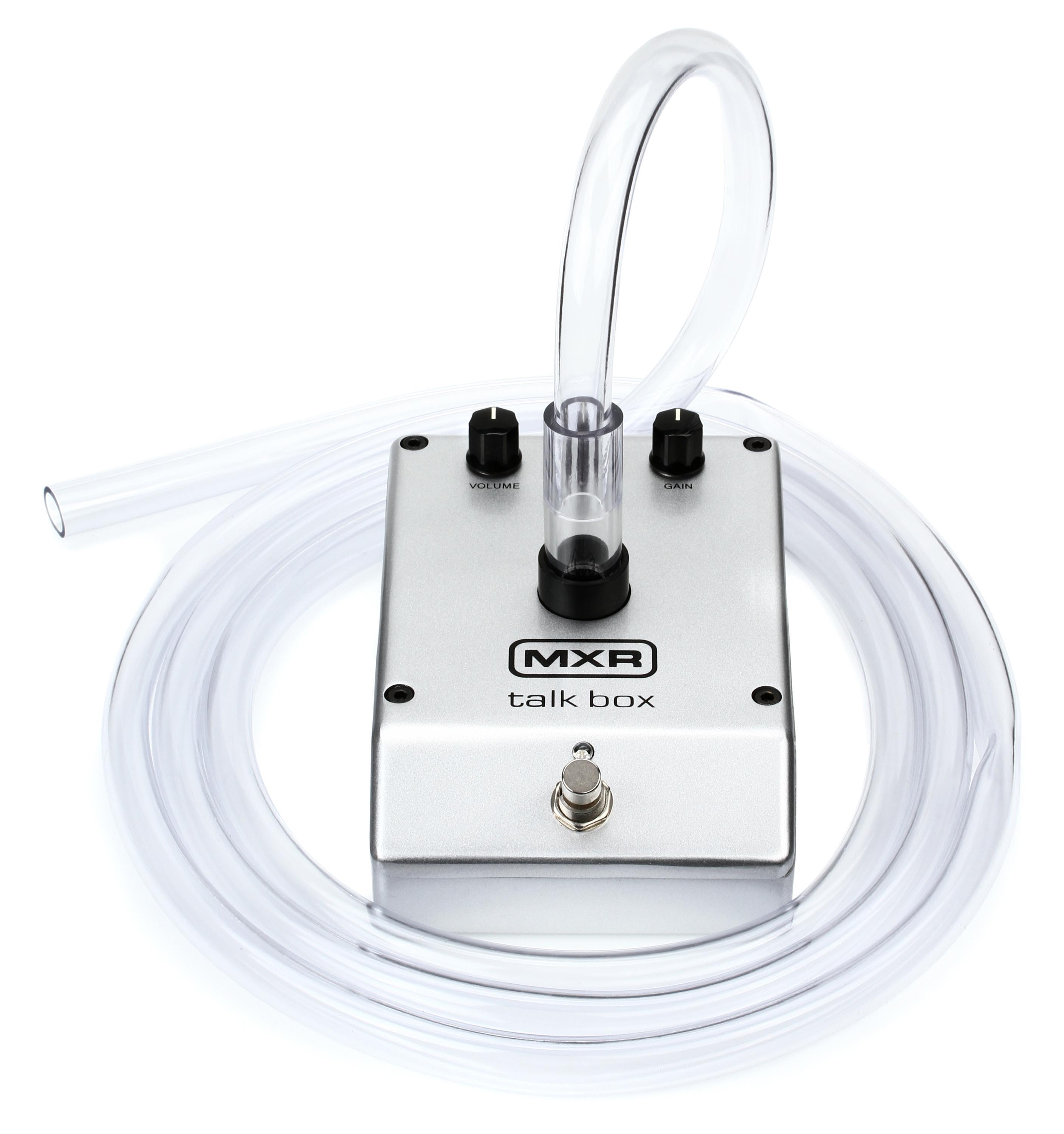
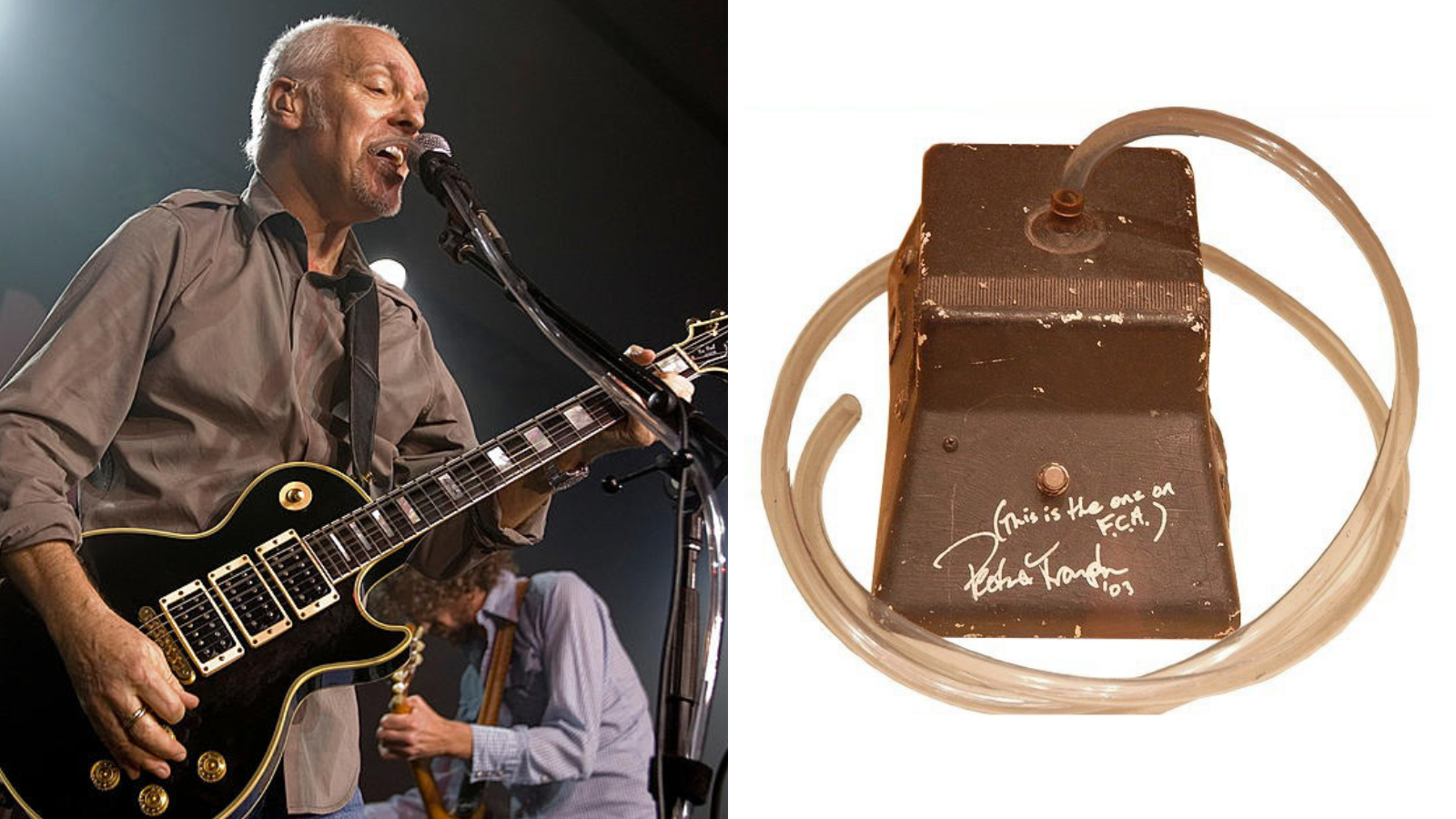

If you’re searching for the exact guitar effect that sounds like a human voice, the talk box is the king of them all.
It creates the illusion of a guitar that talks, sings, or forms actual words.
How a Talk Box Works
-
The pedal drives your guitar sound through a small speaker inside the talk box.
-
The sound travels up a plastic tube into your mouth.
-
Your mouth acts like a vocal resonator, just like when you speak.
-
The shaped sound is picked up by a microphone.
Your mouth literally becomes a filter, so you’re manually sculpting vowel shapes in real time.
It’s not an effect that imitates the voice — your mouth is the voice.
Iconic Songs Using the Talk Box
You’ve definitely heard it even if you didn’t know the name:
-
Peter Frampton – “Do You Feel Like We Do”
-
Joe Walsh – “Rocky Mountain Way”
-
Bon Jovi – “Livin’ on a Prayer”
-
Daft Punk – “Harder, Better, Faster, Stronger” (talkbox-inspired vocoder effects)
-
Metallica – “The House Jack Built”
These tracks feature some of the most prominent talk box guitar lines in music history.
Why Guitarists Love It
-
Most realistic human-voice imitation
-
Expressive and emotional
-
Can “speak” words or patterns
-
Iconic effect with a unique stage presence (mic + tube + guitar!)
Downsides
-
Requires a microphone and amp setup
-
Not easy for beginners
-
Takes mouth coordination and practice
Still, if you want the most accurate guitar effect that mimics a voice, the talk box is the gold standard.
2. The Wah-Wah Pedal: The Most Common Voice-Like Guitar Effect
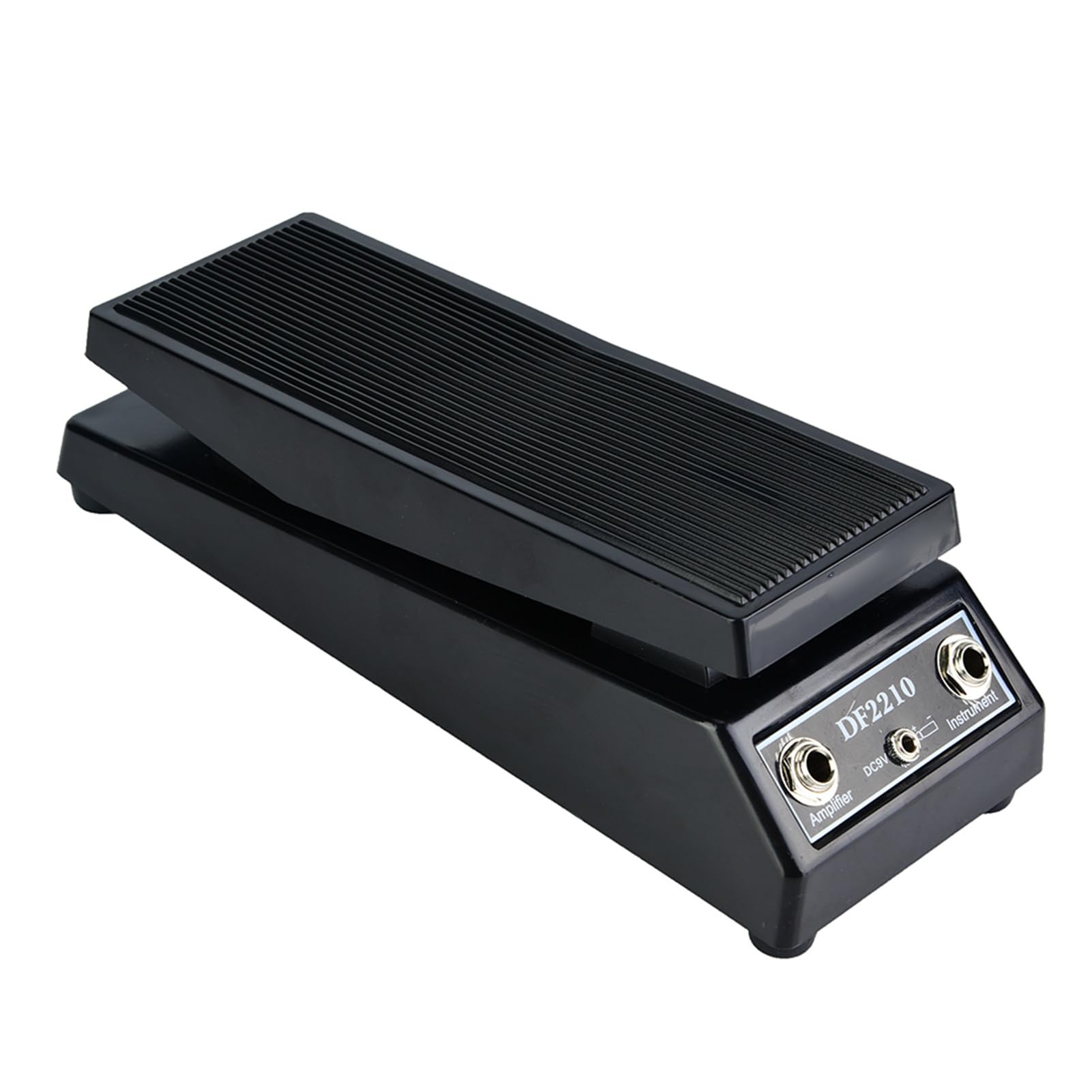
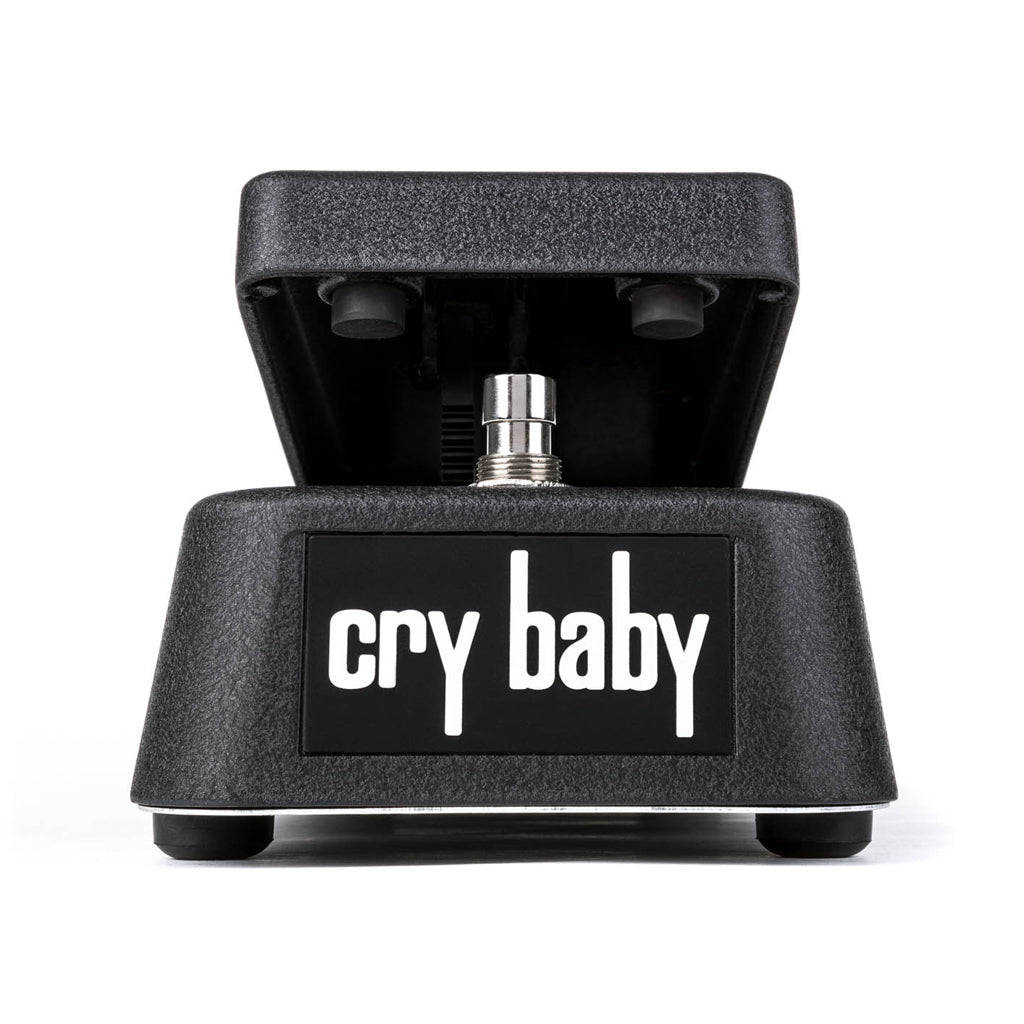

If the talk box is the literal “talking” effect, then the wah pedal is the emotional, vowel-based voice of guitar players.
When asked, “Which guitar effect sounds like a human voice?” the vast majority of musicians will say:
➡️ The Wah Pedal
Why Wah Sounds Like a Voice
Wah pedals emphasize shifting frequency peaks similar to vowel formants in human speech.
By rocking the pedal:
-
Heel-down creates an “ow” tone
-
Toe-down creates an “ah” tone
-
Moving between them creates the signature “wah-wah”
It feels like the guitar is crying, shouting, or singing.
Legendary Wah Moments
-
Jimi Hendrix – “Voodoo Child (Slight Return)”
-
Slash – “Sweet Child O’ Mine” solos
-
Eric Clapton – “White Room”
-
Kirk Hammett – pretty much every solo in early Metallica
The wah is expressive, straightforward, and doesn’t require a mic or tube like a talk box.
Pros
-
Easy to use
-
Works with any amp or guitar
-
Great for funk, blues, rock, soul
-
Gives expressive, vocal-like tone
Cons
-
Doesn’t literally “talk”
-
Tone varies between models
Still, it's the most accessible vocal-style effect.
3. Auto-Wah / Envelope Filters: Funky, Vocal-Like Motion


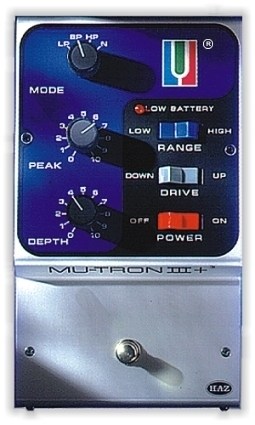
Auto-wah (or envelope filters) work like a wah pedal — but instead of your foot controlling the sweep, your picking dynamics control it.
Pick harder = brighter vowel
Pick softer = darker vowel
The result feels organic, quacky, and vocal.
Famous Players Using Envelope Filters
-
Jerry Garcia (Grateful Dead)
-
John Frusciante (Red Hot Chili Peppers)
-
Bootsy Collins (bass legend)
It’s a staple in funk because it adds rhythmic “mouth-like” movement to each note.
Why It Sounds Vocal
Envelope filters replicate the dynamic shape of speech-like consonant-vowel transitions. The “quack” is essentially a fast-moving vowel formant.
4. Formant Filters & Vocal Synth Pedals: Digital Voice Imitators
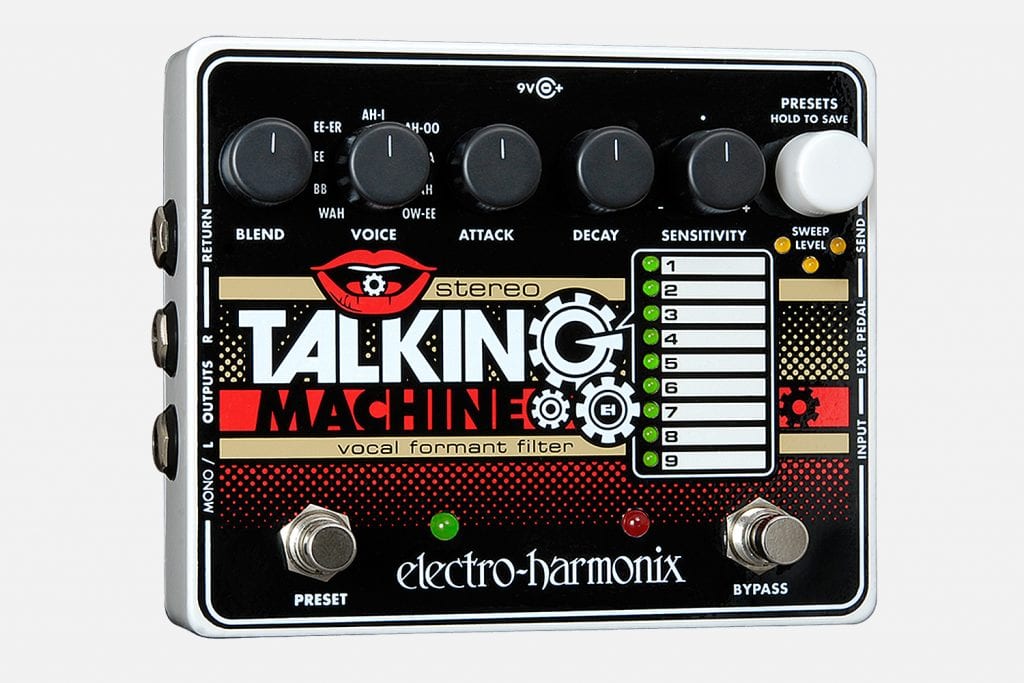
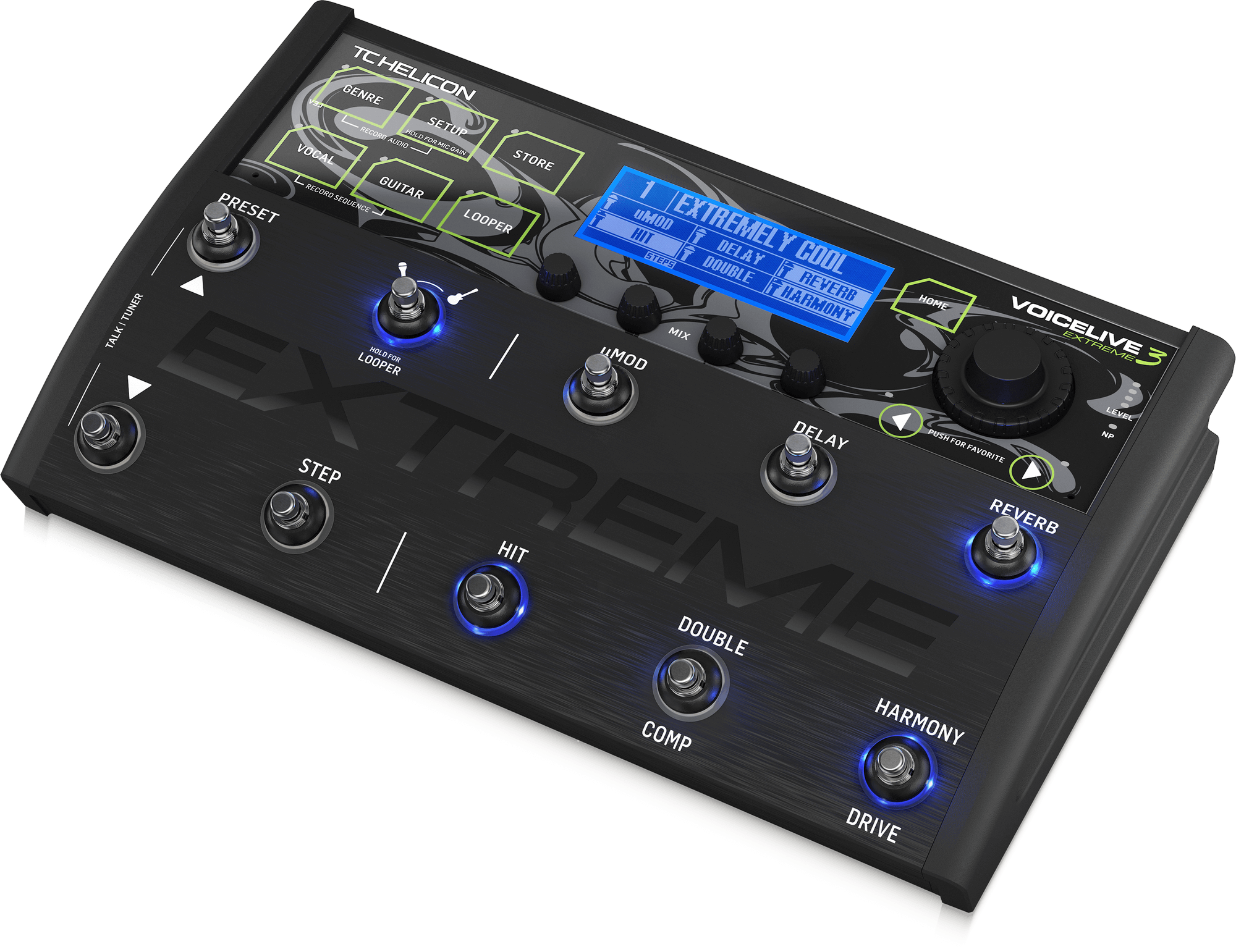

Modern pedals digitally simulate:
-
Human vowel shapes
-
Robotic voices
-
Choir effects
-
Auto-tune-like formants
-
Synth voices
-
Talkbox-style textures
Popular Pedals
-
Electro-Harmonix Talking Machine
-
Boss VO-1 Vocoder
-
Electro-Harmonix V256 Vocoder
-
TC Helicon Voicetone series
These effects are for guitarists who want a talking or singing quality without the physical talk box setup.
Why They Work
These pedals algorithmically shape your guitar’s frequencies into:
-
“EE”
-
“OO”
-
“AH”
-
“IH”
-
“OH”
Similar to how the human vocal tract filters sound.
Some even let you:
-
Add formant shifting
-
Create synthetic choirs
-
Blend guitar + voice in real time
It’s a futuristic take on voice-mimicking guitar tones.
5. Modulation & Pitch Effects: The Singing Guitar
While not directly mimicking speech, many pedals imitate the expressiveness of a singing voice, including:
Effects that give a voice-like feel:
-
Vibrato (simulates vocal pitch wobble)
-
Tremolo (mimics rapid amplitude changes like trembling voice)
-
Pitch shifters (harmonies like multitrack vocals)
-
Chorus (adds vocal-like width and richness)
Think:
-
Steve Vai’s singing lead tones
-
Brian May’s harmonized guitar “choir”
-
Gilmour’s emotional bends with delay and modulation
These don’t “talk” — but they absolutely “sing.”
Why Humans Perceive Guitar Effects as Voice-Like

Our brains love patterns, especially familiar ones like:
-
Vowel formants (peaks at specific frequency bands)
-
Pitch slides and bends
-
Rhythmic consonant-vowel transitions
Guitar effects tap into these patterns by:
-
Boosting or sweeping frequencies (wah)
-
Using mouth shapes as filters (talk box)
-
Digitally shaping formants (vocal synth pedals)
-
Responding dynamically (envelope filters)
This is why these sounds often make us think of:
-
Crying
-
Shouting
-
Singing
-
Talking
-
Whispering
-
Speaking phrases
When combined with expressive guitar playing (bends, vibrato, dynamics), the illusion becomes even stronger.
Which Guitar Effect Sounds the MOST Like a Human Voice?

Here’s the ranking from most to least voice-accurate:
1. Talk Box — Most realistic “human” voice
Can literally form words. Mouth is the filter.
2. Formant/Vocal Synth Pedals — Electronic-style vocal imitation
Convincing vowel and speech-like textures.
3. Wah Pedal — Natural vowel imitation
Emulates vocal formant sweeps.
4. Auto-Wah/Envelope Filters — Rhythmic and funky voice-like motion
🎖 5. Modulation & Pitch Effects — Singing-like tone and expressiveness
How to Get a Voice-Like Tone on Your Guitar (Any Rig)

Step 1: Start With Expressive Playing
Even the best effect won’t sound vocal unless your playing has:
-
Wide bends
-
Vibrato
-
Legato phrasing
-
Dynamic picking
Your touch matters as much as the gear.
Step 2: Pick the Effect Type
For talking voice → Use a Talk Box
Best for literal words and speech.
For vowel tones / crying guitar → Use a Wah Pedal
For funky quacks and vocal sweeps → Use an Envelope Filter
For robotic or choir-like voice → Use a Vocal Synth or Formant Filter
For singing tone → Combine:
-
Delay
-
Reverb
-
Vibrato
-
Chorus
-
Sustain
Step 3: Dial in the Settings
For Wah:
-
Toe-down for “ah”
-
Heel-down for “ow”
-
Slow sweeps = soulful
-
Fast sweeps = funk
For Talk Box:
-
Practice mouth shapes
-
Keep mic close
-
Use bright guitar tone for clarity
For Envelope Filters:
-
Set sensitivity to match picking strength
-
Adjust resonance for more “quack”
For Formant Pedals:
-
Start with “AH–OH–OO” cycles
-
Add mild overdrive for articulation
Famous Guitarists Known for Vocal-Like Tone
Peter Frampton – talk box king
Joe Walsh – early pioneer
Slash – wah pedal master
Jimi Hendrix – expressive vowel-like wah
Steve Vai – singing guitar leads
Brian May – harmony layered “choir guitar”
David Gilmour – bending notes like a voice
Study any of these players and you’ll hear exactly how guitar becomes “voice.”
Extra Tips for Making Your Guitar Sound Vocal
-
Use neck pickup for warm, vocal tone
-
Add light compression for sustain
-
Combine wah + fuzz for expressive dynamics
-
Play with attack — softer notes can sound whisper-like
-
Use slides and microbends to mimic vocal pitch drifting
-
Add formant-shifting digital pedals for robotic voice effects
FAQ: Guitar Effects That Mimic a Human Voice
1. Which guitar effect sounds most like a human voice?
The talk box is the most realistic guitar effect that mimics a voice because your mouth shapes the sound just like real speech.
2. Which guitar effect gives vowel-like tones?
The wah pedal creates vowel-like sounds such as “wah,” “ow,” and “ah,” making it the most common vocal-style guitar effect.
3. Can a guitar actually “talk”?
Yes — using a talk box. It can produce understandable speech-like sounds and even mimic words with practice.
4. What’s the difference between a wah pedal and an auto-wah?
A wah pedal is foot-controlled, while an auto-wah responds automatically to your picking strength.
5. Are digital vocal synth pedals better than talk boxes?
They’re easier to use and offer more sound options, but talk boxes still sound more authentic and organic.
6. Do you need special pickups or guitars for voice-like effects?
No — any electric guitar works. Effects matter more than pickups, although single-coils can add clarity.
7. What genres use voice-like guitar effects?
Rock, funk, blues, progressive rock, psychedelia, pop, and electronic music frequently use these effects.
Final Thoughts
Guitarists have always tried to make their instrument more expressive — bending notes like a singer, phrasing like a vocalist, and eventually inventing effects that literally make the guitar “talk.”
Whether you use a talk box, a wah pedal, an envelope filter, or a vocal synth, you can give your guitar a voice full of personality and soul.
If you’ve ever wanted your guitar to laugh, cry, shout, whisper, or sing, the world of vocal-style guitar effects is where the magic happens.
Author bio:

Dr. Robin Alexander
Dr. Robin Alexander, an MD Pathologist and passionate guitarist, combines his love for music and science. As a guitar enthusiast, he shares valuable insights and tips on guitar playing here at Guitarmetrics, helping musicians enhance their skills and enjoy their musical journey.


